
-
Publish Your Research/Review Articles in our High Quality Journal for just USD $99*+Taxes( *T&C Apply)
Offer Ends On
Publish Your Research/Review Articles in our High Quality Journal for just USD $99*+Taxes( *T&C Apply)
Offer Ends On
Marwan Abou-Rass*, DDS, MDS, Ph.D.
Corresponding Author: Marwan Abou-Rass, USC. Prof Emeritus, Founder of AbouRass Endodontics Academy (www.abourass.com), USA.
Received: July 12, 2026 ; Revised: July 14, 2026 ; Accepted: July 15, 2026 ; Available Online: July 16, 2026
Citation: Abou-Rass M. (2026) The 4R Operational Diagnosis Protocol: Part 3: Mastering R3 – Pulp and Perio Response Testing. J Oral Health Dent Res, 5(3): 1-8.
Copyrights: ©2026 Abou-Rass M. This is an open-access article distributed under the terms of the Creative Commons Attribution License, which permits unrestricted use, distribution, and reproduction in any medium, provided the original author and source are credited.
Views & Citations
Likes & Shares
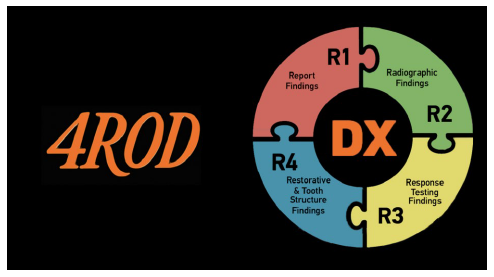
Introduction: Abou-Rass presents the third component of the 4R Operational Diagnosis (4ROD) Protocol, focusing on the R3 step: an evidence-based, biological, and clinical re-examination of traditional pulp and periodontal response testing. The 4ROD protocol, developed by AbouRass in 1982, integrates patient reports (R1), radiographic interpretation (R2), response to testing (R3), and restorative status (R4) to establish a definitive, biologically-based diagnosis.
Methods: The R3 framework critically evaluates conventional diagnostic methods, questioning those with documented limitations. It advocates for an evidence-based approach to evaluating pulp health, periodontal integrity, and disease progression. Key components include the adoption of the Cold Pulp Test (CPT) as the clinical standard due to its 89% accuracy, the implementation of the "5x5 rule" for comprehensive periodontal assessment, and the strategic tracing of sinus tracts and fistulae to identify pathological sources.
Results: The protocol shifts the focus from rote procedural testing to a deeper clinical interpretation of biological responses. Analysis demonstrates that the Electric Pulp Test (EPT) and Heat Pulp Test (HPT) frequently fail to meet rigorous criteria for reliability, exhibiting significant risks of false results and inadequate assessment of pulp vitality. Conversely, the CPT, when utilizing controlled carbon dioxide (-79°C), provides a reproducible and biologically accurate measure. Furthermore, the integration of routine periodontal probing (5x5 rule) is essential, as 25% of endodontic treatment failures are linked to undiagnosed periodontal disease.
Conclusion: The R3 component of the 4ROD protocol underscores that diagnostic accuracy is not achieved through isolated tests, but through the synthesis of multiple clinical, radiographic, and patient-reported data points. By organizing tests based on their biological validity and clinical significance, the 4ROD protocol minimizes diagnostic error, averts unnecessary complications, and serves as a robust framework for contemporary endodontic and restorative treatment planning.
Keywords: 4R Operational Diagnosis Protocol, Endodontic Diagnosis, R3 Response Testing, Cold Pulp Test (CPT), Periodontal Assessment, 5x5 Rule, Isolated Periodontal Pocket (IPP), Clinical Evidence-Based Dentistry, Sinus Tract Tracing, Pulp-Dentin Complex.
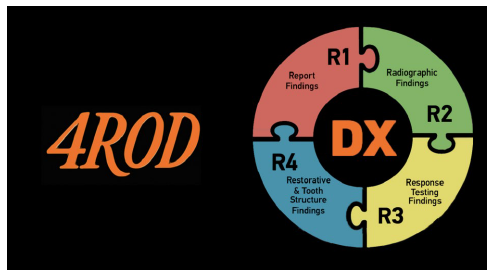
#J Oral Health Dent Res has interviewed Dr. Marwan Abou-Rass regarding 4R Operational Diagnosis Protocol.
INTRODUCTION
The 4R Operational Diagnosis Protocol is an operational, structured, sequential, biologically based, evidence-based diagnostic system developed by AbouRass 1982 that evaluates the tooth, pulp-Dentin complex, and periodontium through the patient’s Report (R1), Radiographs (R2), Response to testing (R3), and restorative and tooth structure status (R4) to reach a definitive operational diagnosis and treatment plan.
The R3 step within the 4ROD protocol is an evidence-based, biological, and clinical re-examination of the traditional pulp and periodontal response testing used in dental practice.
R3 emphasizes the importance of tests that reliably deliver meaningful clinical information, while questioning those with documented limitations, inaccuracies, or diminished clinical utility. It critically examines the entire concept of pulp testing in dentistry. It offers objective clinical responses and guidelines for evaluating pulp health (Section 1), periodontal health (Section 2), and disease progression pathways (Section 3).
R1: Patient Report and Rapport, and R2 – The 10 ADIs Radiographic Interpretation System (10 ADIs-RIS) articles are available for review at the following links:
R1: https://www.genesispub.org/resource/images/articles/pdf755.pdf
R2: https://manuscriptscientific.com/images/2ddd2976aac44b31e58c5744aa8def17.pdf
SECTION I
PULP TESTING
Q1. You Mentioned in the Introduction that 4ROD is Supported By Evidence. Could You Elaborate on This Point?
Evidence #1: Patient Pain Profile Questionnaire (PPPQ) in R1
The PPPQ mentioned in the R1 article features 55 concise statements that patients use to document their clinical symptoms and pain. Scientific research indicates that Verbal Descriptor Scales (VDS) are highly valid, reliable, and psychometrically reliable instruments for evaluating patient pain and symptoms. The literature indicates that VDS outperforms numerical or Visual Analog Scales in compliance, particularly among older adults. (Von Büren and R.Kleinkencht 1979)
Evidence #2: The 10 ADIs Radiographic Interpretation System (10 ADIs-RIS) in R2
I developed the 10 ADI system based on Brynolf's 1967 study using fresh cadavers, which showed that periapical radiographs can accurately depict healthy and diseased alveolar sockets as well as periapical pathology, especially in advanced stages.
Evidence #3: Limit Response testing to Cold Pulp Test (CPT) in R3.
The Brännström Hydrodynamic Theory, developed in the 1960s, is the most widely accepted scientific explanation for dentinal pain and sensitivity. It also provides a biological basis for CPT's capacity to assess pulpal health. Furthermore, systematic studies indicate that CPT has an accuracy of 89%, making it the premier pulp testing method and a standard of care.
Evidence #4: Restoration Assessment Criteria in R4
Adopts the 2010 and 2023 FDI World Dental Federation clinical guidelines for restoration evaluation. The guidelines are evidence-based, universally accepted, and considered today the gold standard in the evaluation of direct and indirect restorations in dentistry.
Q2. Your R3 Protocol Expands on the Idea of "Response Testing" Rather Than Just "Pulp Testing." What Distinguishes The Two, And What is Their Clinical Significance?
The 4ROD Protocol enhances Response Testing, going beyond traditional pulp testing methods commonly used in clinical practice. Typically, we employ the three standard provocation tests—CPT, HPT, and EPT—using stimuli such as airblast, cold, heat, and electricity. The patient’s reactions include pain, tingling, withdrawal, jerking, and a feeling of pressure. Additional clinical stimuli include percussion, palpation, and bite tests, with responses such as pain, hard swelling, or fluctuant swelling.
Relying on patient responses during pulp testing for diagnosis and treatment planning is risky because of the inherent clinical and biological limitations of this practice. Included among the limitations are psychological factors, such as the patient’s threshold, anxiety, and past experiences, as well as local environmental factors, such as multiple restorations, surface wear, pulp calcifications, and periodontal health, all of which influence the pulp's response to stimuli. The 4ROD Protocol manages these shortcomings by:
Q3. Why have you Publicly Questioned The Value of the Electric Pulp Test?
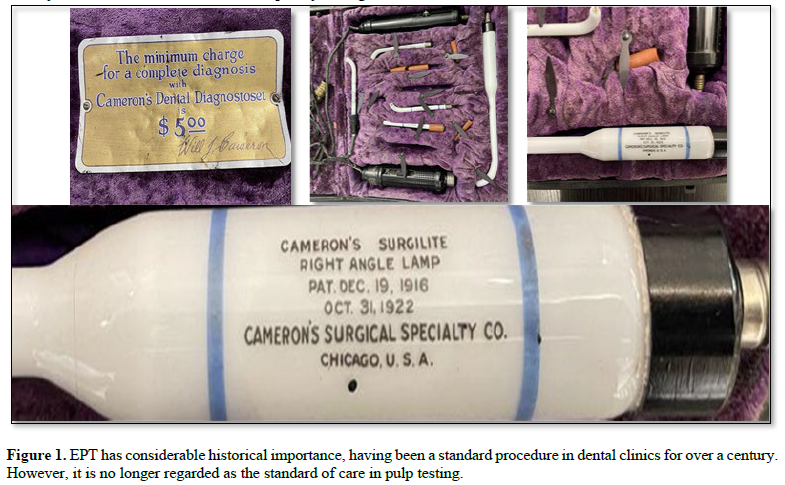
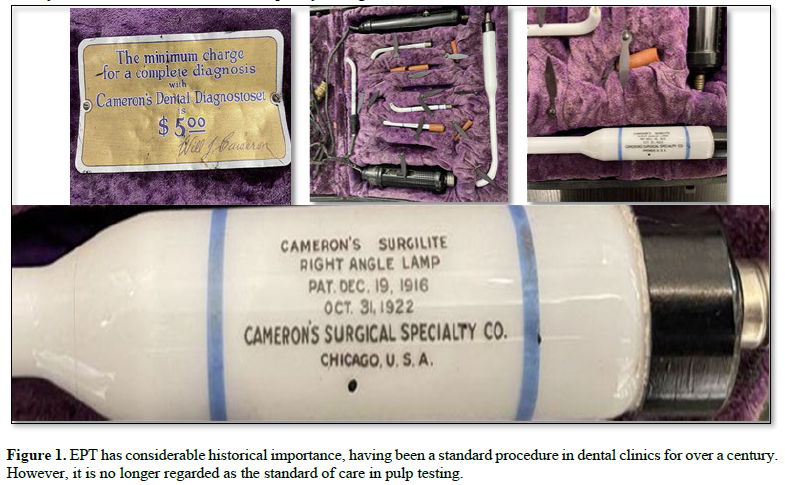
As a teacher, I highlight the historical significance of the Electric Pulp Test (EPT), which has been a standard procedure in dental clinics for over a century. Over time, the EPT has been refined technically and, when used correctly, has often contributed as both a primary and a supplementary diagnostic tool.
I personally do not use EPT in my practice because the CPT is now considered the standard of care for pulp testing. Additionally, the 4ROD protocol clinical guidelines provide more valuable information about pulp health than the response itself.
The EPT does not meet any of Pitt, Ford, and Patel’s (2004) requirements for pulp testing, especially with respect to the biological assessment of blood flow.
The electrical current stimulates the myelinated A-delta sensory fibers; however, these fibers are quickly damaged during pulp necrosis. Conversely, the unmyelinated C fibers within the pulp are more resistant to hypoxia and can survive during the early stages of necrosis. Neural tissue usually remains functional the longest, sometimes for months or even up to a year. This resilience explains why a positive electric pulp test (EPT) response can still occur even when the pulp is necrotic or a periapical lesion is present.
Furthermore, from a clinical perspective, the EPT method is associated with a long list of conditions that cause false positives and negatives. This is explained in detail in the academy's Master Class presentations.
Q4. Why have you Also Questioned The Routine Use of Heat Pulp Testing?
Using unmeasured heat from friction after operating a rubber wheel, applying hot or softened gutta-percha, or employing hot or electric heating tools is unnecessary and invasive, with unpredictable risks. This often happens due to unclear pulp testing procedures.
Conclusive evidence shows that raising pulp temperature by 3° is safe. However, an increase of 5° may trigger inflammation, which may progress to chronic inflammation. A 10° rise could result in tissue coagulation and necrosis.
It is prudent to consider why one would take risks when the CPT test reliably yields accurate results without false negatives, especially since systematic studies show that HPT has the lowest accuracy among pulp testing methods, at 72%, similar to EPT.
Regarding the reproduction of the patient’s pain during the diagnostic interview, only 10% of patients reported that hot stimuli caused it. In addition to previous findings, the HPT also failed to meet the recommended criteria for pulp testers.
Q5. Should Clinicians Stop Using EPT and HPT in Dental Practice?
Personally, I stopped using EPT and HPT 40 years ago because the 4ROD provided more information than EPT and HPT.
R3 philosophy does not aim to eliminate tests; instead, it organizes them based on their biological importance and clinical evidence within a comprehensive diagnostic framework. Here is an example of how the R3 is useful.
To avoid diagnostic errors, the AAE clinical consensus guidelines recommend against relying on a single test. Typically, 90% to 95% of endodontists mainly use the CPT, but some add the EPT to enhance diagnostic precision or when CPT results are uncertain.
Having multiple sources of information is highly recommended. However, the more important question is whether all pulp tests contribute equally to the diagnostic process. Biologically and scientifically, the CPT and EPT are not equal in accuracy; CPT accuracy: 89%, EPT accuracy: 72%. Adding more tests does not improve diagnosis.
Q6. What Test Do You Use to Provoke a Pulp Response, and What is The Reason For Your Choice?
Pitt, Ford, and Patel (2004) outlined seven criteria for a reliable pulp tester: it should assess blood flow, offer objective measurements, be error-free, perform well on heavily restored teeth, operate effectively when the pulp chamber is receded, be user-friendly, and be cost-effective.
The Cold Pulp Test (CPT) meets four out of the seven criteria. The Electric (EPT) and Heat (HPT) tests failed all the criteria.
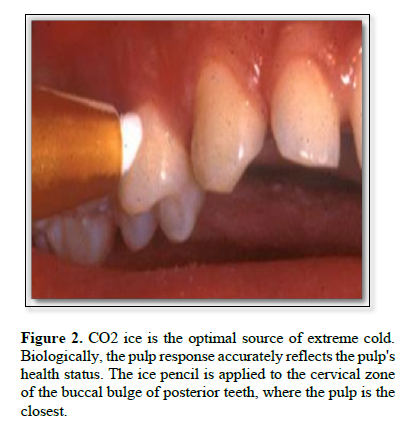
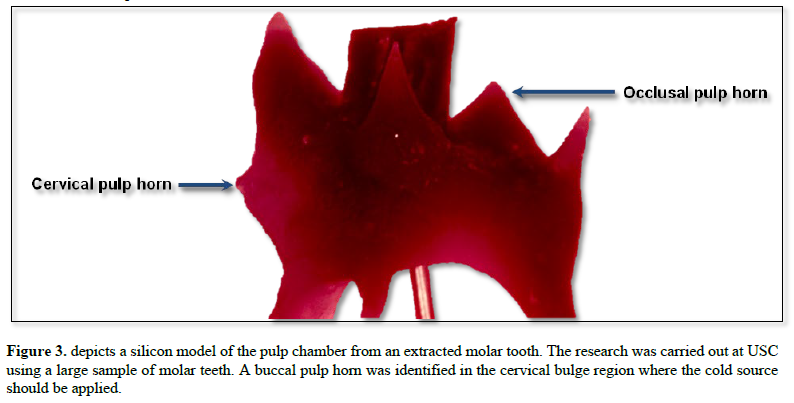
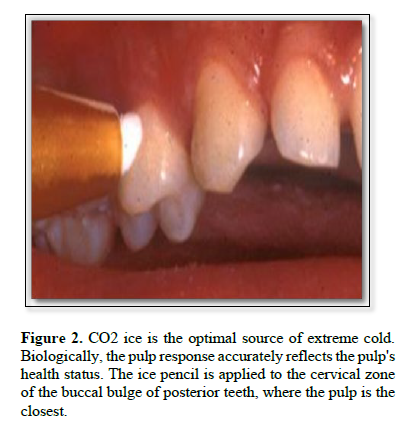
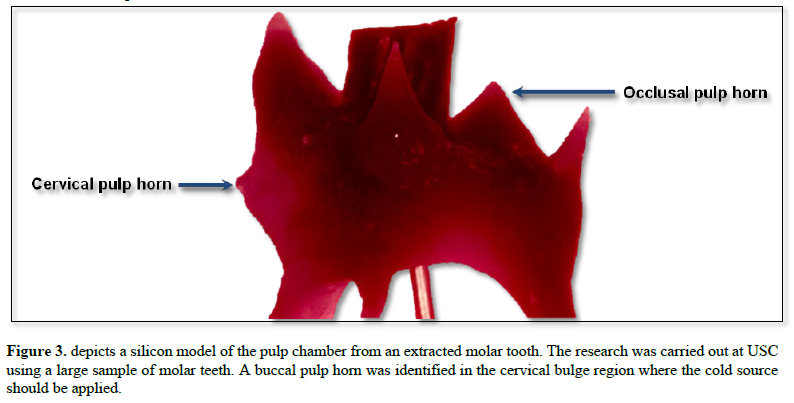
The CPT with carbon dioxide (CO2) at -79°C in the CO2 cylinder and -56 °C in the mouth is a test I have used throughout my educational and practice career.
It is procedurally controllable and delivers a quick, strong, consistent, and reproducible cold stimulus. Next to the carbon dioxide are the refrigerant sprays, which provide temperatures in the range of 26.2°C -50°C. The problem with refrigerant sprays is that the spray is not controllable, and there are no universal guidelines on how they are used in practice, an issue that I discuss in the academy curriculum.
SECTION II
PERIODONTAL TESTING:
Q7. Why is Routine Periodontal Testing Often Neglected in Endodontic Diagnosis?
Many clinicians often overlook periodontal probing, commonly associating it only with periodontal disease.
I emphasized periodontal testing and incorporated it as a key step in the protocol because it is frequently overlooked, unlike pulp testing, which is a standard endodontic procedure.
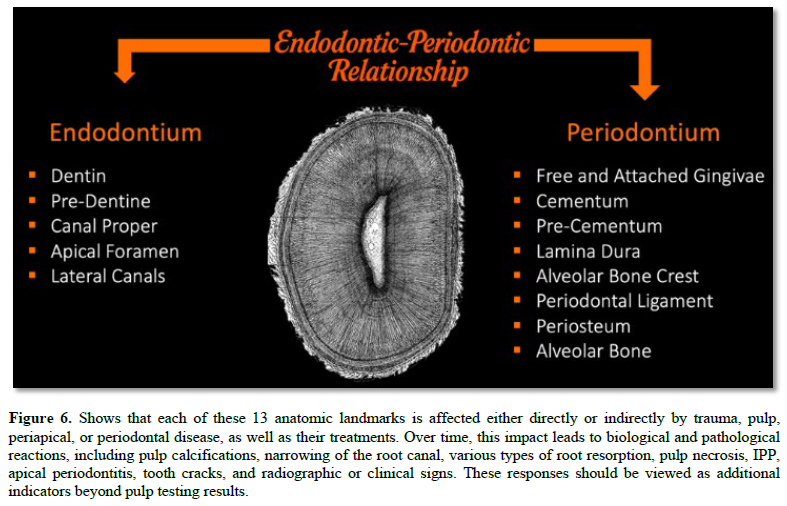
The pulp-dentin complex and periodontal tissues are interconnected at atomic, physiological, and pathological levels. Notably, 25% of endodontic treatment failures are due to periodontal disease, and 20% of pulp calcifications result from periodontal issues. Periapical pathology often affects diseased periodontal tissue and can hinder periodontal healing.
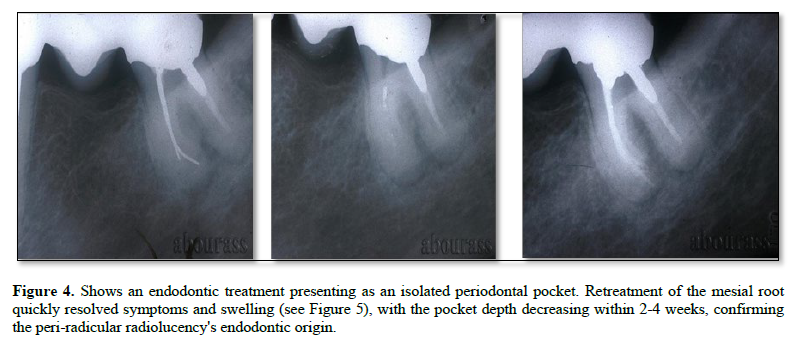
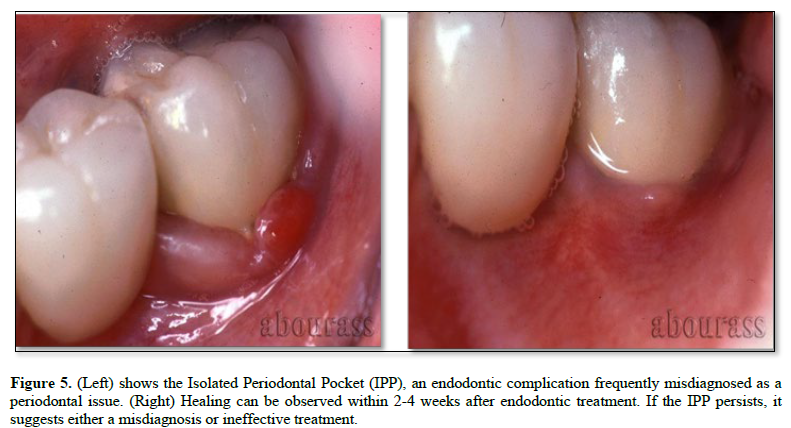
Additionally, pulp necrosis and endodontic failures may present as isolated periodontal pockets (IPP), often mistaken for primary periodontal issues. Endodontic treatment failures, untreated canals, root perforations, cracks, and root fractures cause isolated periodontal pockets.
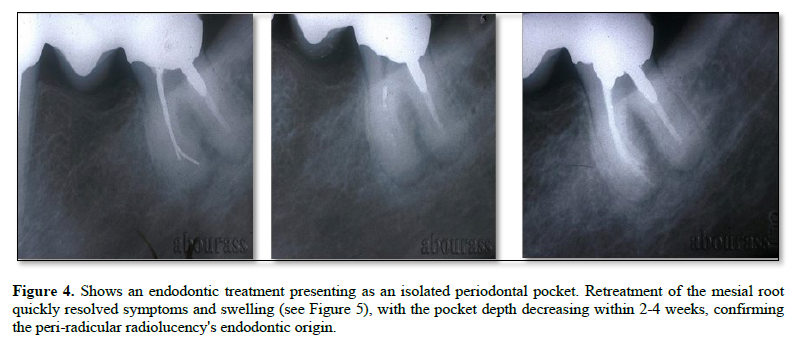
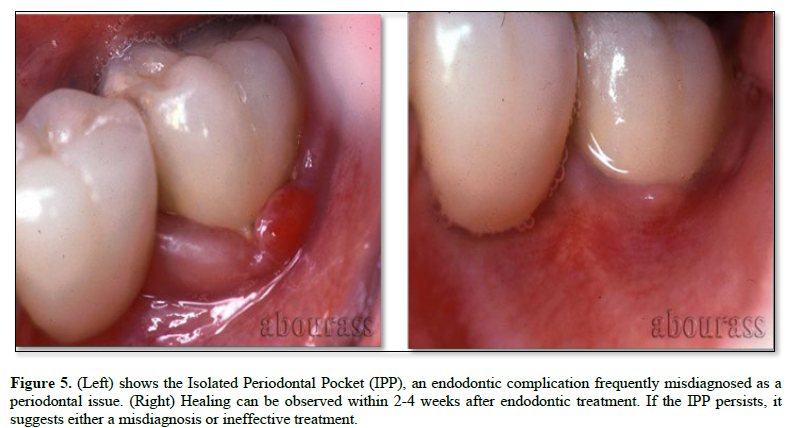
Q8. What is The Rationale Behind The Periodontal 5×5 Rule in The R3 of The Protocol?
The six-point periodontal probing is considered the gold standard for periodontal examinations. However, according to the American Dental Association, full-mouth six-point charting is performed in only 16-43% of cases. Typically, practitioners restrict probing to a single problematic site, which is both legally insufficient and biologically inadequate.
Besides the clinical link between the dental pulp and periodontium discussed earlier, research since the 1960s shows that over 25% of endodontic failures result from improper case selection. Although pulp testing is a routine part of endodontic procedures, periodontal testing is often neglected.
Periodontal testing is the first step I take in all my endodontic surgical and non-surgical treatments. The 5 x 5 rule—five Perio-tests in five minutes, focusing on the tooth of interest and the adjacent teeth of the quadrant.
These tests include:
The 5 x 5 rule has significantly enhanced treatment outcomes, minimized diagnostic errors, and averted complications. Moreover, it functions as a preventive diagnostic tool in patient care by detecting asymptomatic periodontal pathology.
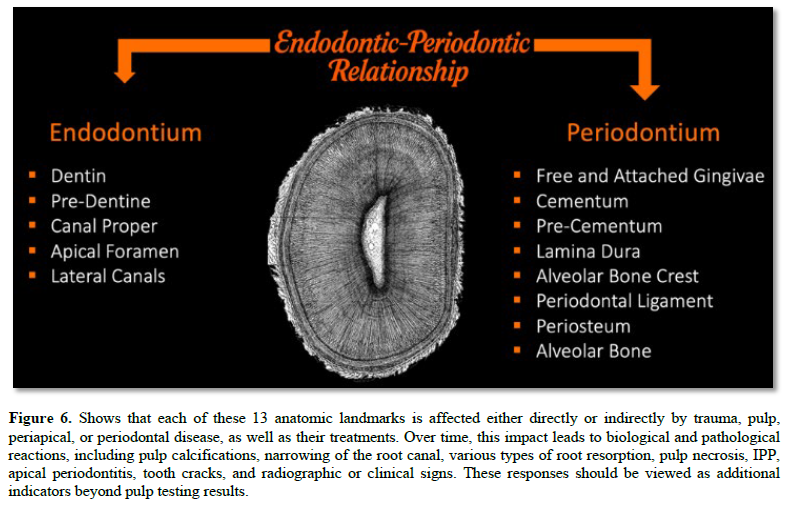
SECTION III
SINUS TRACTS AND FISTULA
Q9. Why do Sinus Tracts and Fistulae Play a Role in Response Testing, and What Is Their Significance in Endodontic Diagnosis?
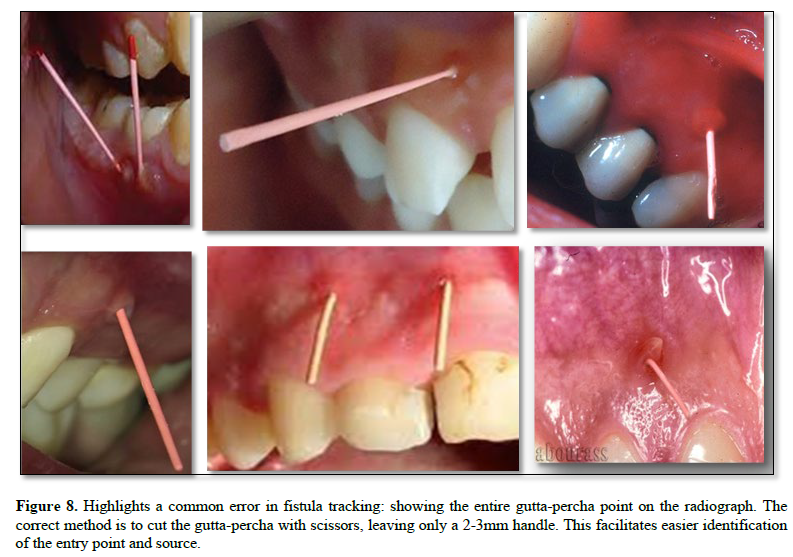
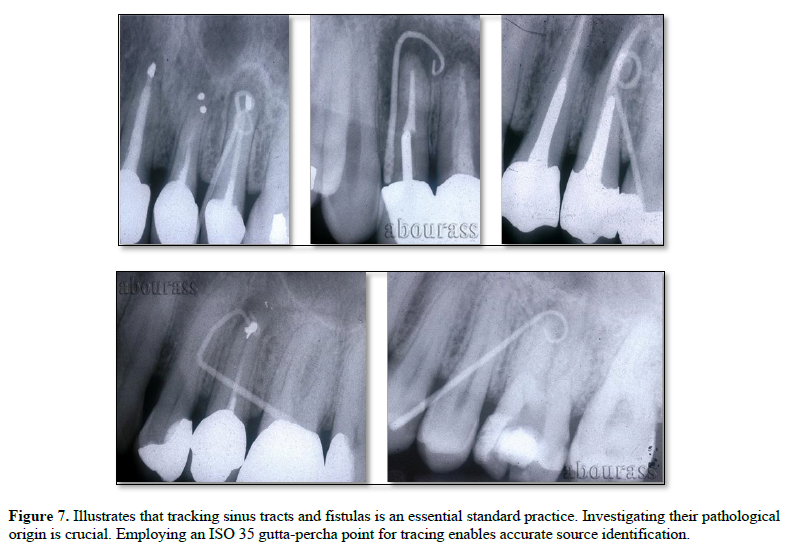
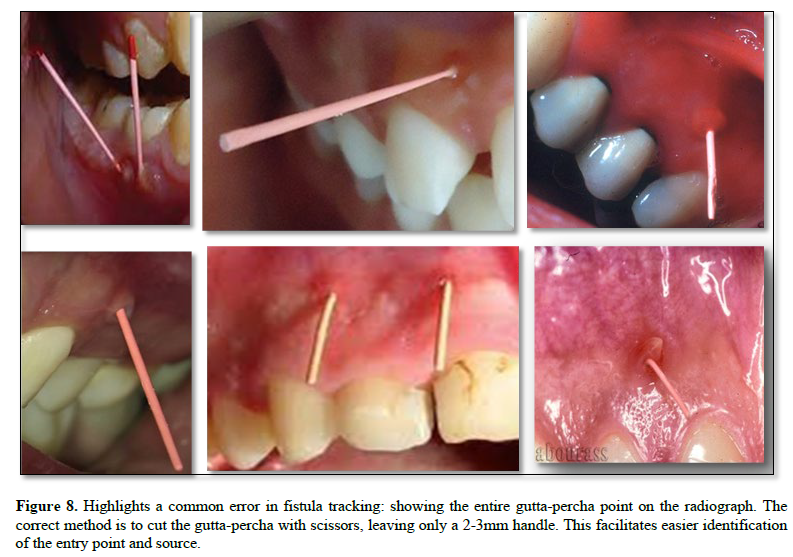
The academy's presentation, "Fistulas and Sinus Tracts: Valuable Allies in Endodontic Diagnosis and Treatment," will thoroughly address your questions. Currently, tracking sinus tract and fistula openings is a standard practice in endodontic diagnosis and treatment.
Fistulas and sinus tracts are important signs of Alveolar infections, especially chronic abscesses. A sinus tract indicates the body's attempt to drain the infection, with exudate or pus traveling along the path of least resistance. Therefore, the exit point is sometimes far from the infection source.
When accurately traced, the sinus tract typically identifies the problem's source with high precision. Tracing errors can lead to incorrect diagnoses.
They drain the abscess, which does not cause pain, often causing patients to neglect follow-up care with the dentist as the pathology enlarges. As long as the fistula stays open and drainage persists, the patient remains pain-free.
Closure of the fistula signifies a correct diagnosis and successful treatment, whereas a persistent fistula indicates an incorrect diagnosis and inadequate therapy.
In practice, I use either fistula closure or persistence to differentiate between contributing and noncontributing cracks in teeth, especially after endodontic treatment. Non-contributory cracks typically result in fistula healing within 2-4 weeks post-treatment. However, fistulas linked to contributory cracks tend not to heal.
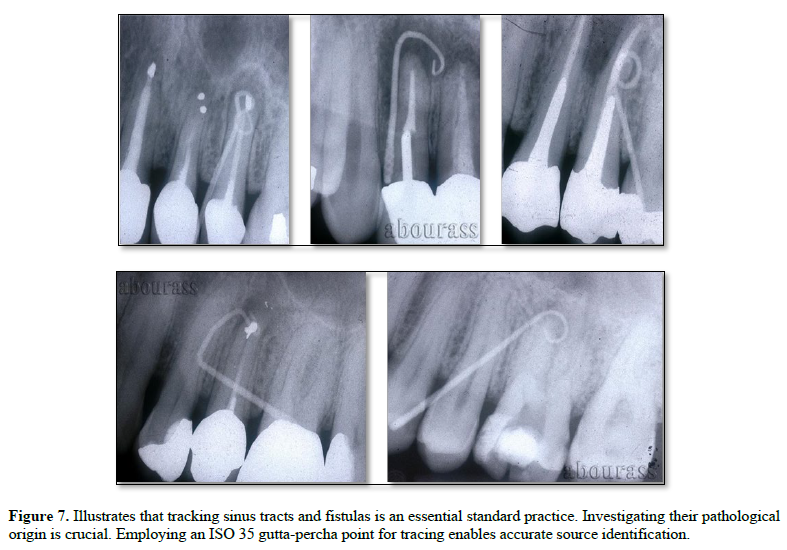
CONCLUDING QUESTION
Q10. What Steps are Necessary to Enhance Pulp Testing Practices?
I suggest shifting from merely performing procedures to interpreting responses. While many clinicians learn to apply cold, heat, electric tests, probing, or tracing, fewer analyze what these findings biologically signify.
For me, response testing is not just a checklist; it’s a means to understand tissue responses and relate them to the patient’s history, radiographs, and clinical findings.
The key lesson is that tests do not diagnose—clinicians interpret evidence to make diagnoses. This principle underpins R3 and the broader philosophy of the 4R Operational Diagnosis Protocol. Endodontic diagnosis involves more than just pulp testing.
Historically, the focus was on the root canal and the root apex, often neglecting other factors in the tooth and supporting structures.
During the 1980s, I transitioned from pulp diagnosis to a broader method: the 4R Operational Diagnosis protocol (4ROD). This protocol was crafted and refined over the years, grounded in a thorough understanding of the biology of the pulp-dentin complex and the four elements of the periodontium.

No Files Found


Internationally Accepted
Share Your Publication :